
A museum visit can start with one detail: a sleeve in a portrait, a street in an old photograph, a line in a drawing. Paris Musées’ online collections let you follow that curiosity across the museums of the City of Paris without leaving your desk.
A network of museums and several different counters
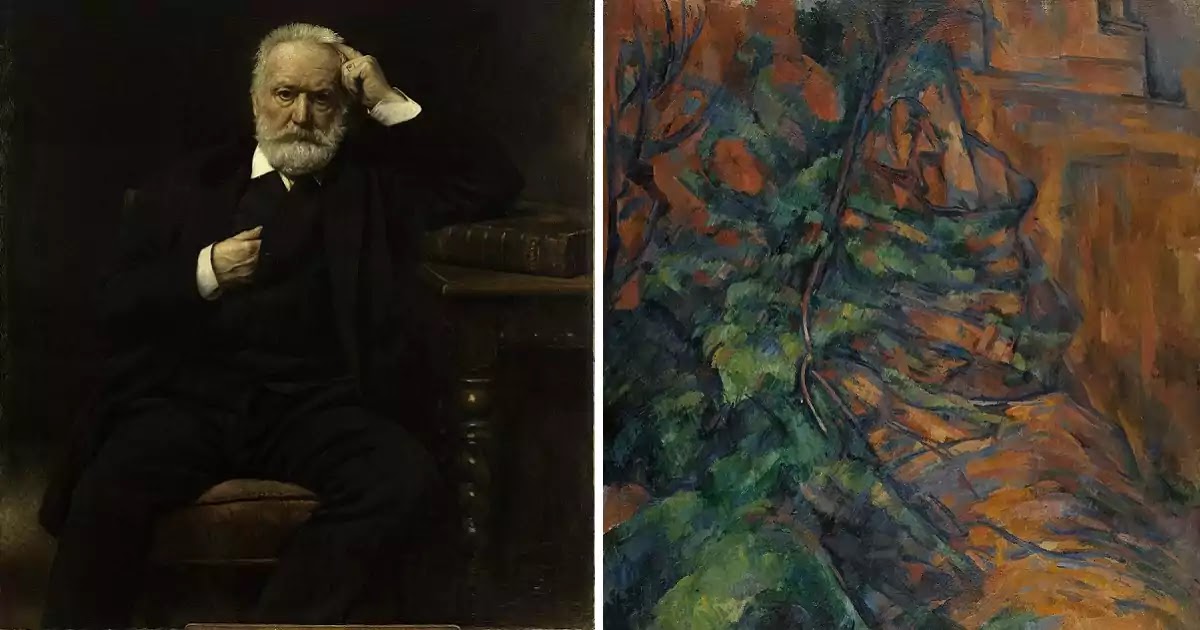
The 2020 tour of the portal named Gustave Courbet, Eugène Delacroix, Rembrandt and Anthony van Dyck. It also pointed readers toward the Musée d’Art Moderne de la Ville de Paris, Petit Palais, Maison de Balzac and Maison de Victor Hugo. The Louvre is a separate institution, so it should not be treated as one of the museums covered by this city network.
At the time, the story recorded 321,055 works, 150,222 public-domain images and 621,075 digital-media items. These were different counters in a historical snapshot, not interchangeable totals or present-day inventory figures. The examples of thematic browsing included portraits, caricatures of Victor Hugo and Paris around 1900. They illustrate ways into the collection without guaranteeing that an old exhibition title or interface remains unchanged.
What is actually available?
The Paris Musées collections portal brings together records for works held across the city’s museum network. In January 2020, its open-content initiative made more than 100,000 images of public-domain works available under CC0.
Two numbers are often confused in retellings of this story: the number of searchable collection records and the number of images released for unrestricted reuse. A catalogue entry does not automatically make every associated photograph free to republish. Check the individual work’s image and rights information.
Find something you did not know to search for
Begin with a concrete subject—gardens, bicycles, a neighborhood, a material—rather than only a famous artist. Compare the results, then narrow by museum, object type, creator or date where filters are available. French terms can be useful when an English search returns little.
Open a promising record and read beyond the title. A date range, technique or collection name can explain why two apparently similar images are actually very different objects. Follow related names or subjects to turn one result into a small personal exhibition.
Download with the context attached
- Look for the work’s own download option rather than saving the smallest search thumbnail.
- Read the rights statement for that image. Use the CC0 designation where it is explicitly provided.
- Save the creator, title, date, museum and record URL with the file.
- When sharing, keep that information nearby so others can find the original object.
A credit remains helpful even when an image’s open license does not require one. It gives the work a history and gives your reader somewhere useful to go next.
Make the collection part of a creative afternoon
Choose three works that depict the same subject and compare their decisions: what is included, what is cropped, and where the viewer’s attention goes. That is a richer exercise than collecting a folder of attractive pictures with no identifying information.
If you would rather pick up pencils, Color Our Collections offers another route into museum and library images. For a reminder that a modest object can reward close attention, explore the ancient Egyptian painter’s palette.
Paintings can acquire another kind of public life through animation. Loving Vincent’s painted frames show the craft involved in translating a visual style into a moving dramatic story.
More images from the 2020 feature


Original references and creator profiles: online collections portal.


COMMENTS